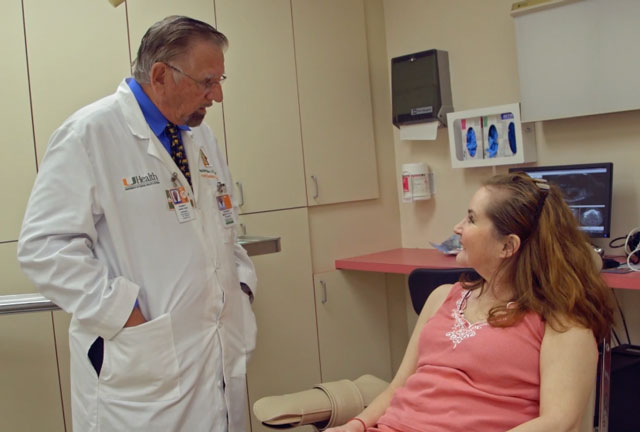
When I was making my documentary Behind the Bullet, I interviewed the trauma surgeon who was reconstructing Christen’s jaw. Christen, one of the four people featured in the film, had survived a gunshot wound to her head after attempting to end her life.
It was her 53rd surgery.
He explained something I’ve never forgotten. The bullet initially created a relatively small entry wound. But as it traveled through her face, its energy tore through bone, tissue, blood vessels, and nerves, leaving a widening path of destruction. He described it as a cone of damage. The entry wound was small, but the damage to her jaw, cheek, nose, and right eye was devastating.
Childhood abuse is like that.
We often focus on the abusive event itself, like it’s the whole injury—something that happened a long time ago and something we’re supposed to get over.
But the abuse is only the point of entry.
And for many of us, there isn’t just one point of entry. There are dozens.
The real damage spreads outward, shaping our sense of safety, our identities, our relationships, our bodies, and the way we move through the world. The events may have lasted minutes, but the cone of damage can last decades.
In fifth grade my dad made me tape all my F papers up on my bedroom wall because he was so very angry at me for failing my social studies class. He was trying to teach me a lesson (I’m sure), but it was cruel and ultimately changed not only how I saw myself but how I thought others saw me. When I finished taping the dozen or so papers on the wall, he looked at me and said, “Now all your friends will see how stupid you are.”
I believed him.
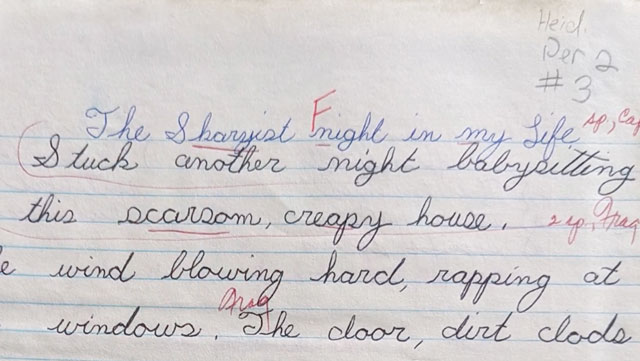
For months, I left those papers on my wall, terrified of what he might do if I took them down. They were the last thing I saw before I fell asleep and the first thing I saw every morning. I can still see that wall. I can still feel it—the shame, the embarrassment, and the belief that I was stupid.
When I eventually took the papers down, I slowly began replacing them with first-place ribbons from track and swimming, certificates of accomplishment from soccer, gymnastics, basketball, and tennis, and the few school papers I’d gotten As on.
Some part of me must have hoped my dad was wrong. I set out to prove it.
I became obsessed with collecting evidence against his verdict. I filled albums with newspaper clippings whenever my name appeared in the local sports pages. I pinned stars and bars onto my letter jacket, literally wearing my accomplishments on my chest. I saved every note, every letter, and every compliment anyone ever gave me.
But no matter how many albums I filled, how many trophies I won, or kind words I collected, I couldn’t escape that wall.
The real damage came afterward. I lost the ability to trust myself. I stopped inviting friends over. I became cautious. And I lost the confidence and innocence that come with being eleven.
I tried to adapt, but no amount of validation could undo the years I cheated on tests because I didn’t believe I was smart enough to pass them on my own. I couldn’t undo the feelings of inadequacy that kept me from forming close relationships with classmates. And I couldn’t undo the years I spent chasing perfection, hoping that if I achieved enough, I might finally believe I wasn’t a dumb girl.
Those patterns followed me into adulthood.
So I kept collecting. I filled boxes with love letters from my husband, awards, cards, and every scrap of validation I could find. Surely, if I gathered enough evidence, I could finally leave the wall—and what I believed about myself—behind.
Only much later did I understand why.
The wall was only the entry wound.
That’s the thing about a cone of damage. You don’t heal it by treating the place where the injury began. You heal it by rebuilding everything the trauma touched.
It took me years to understand that.
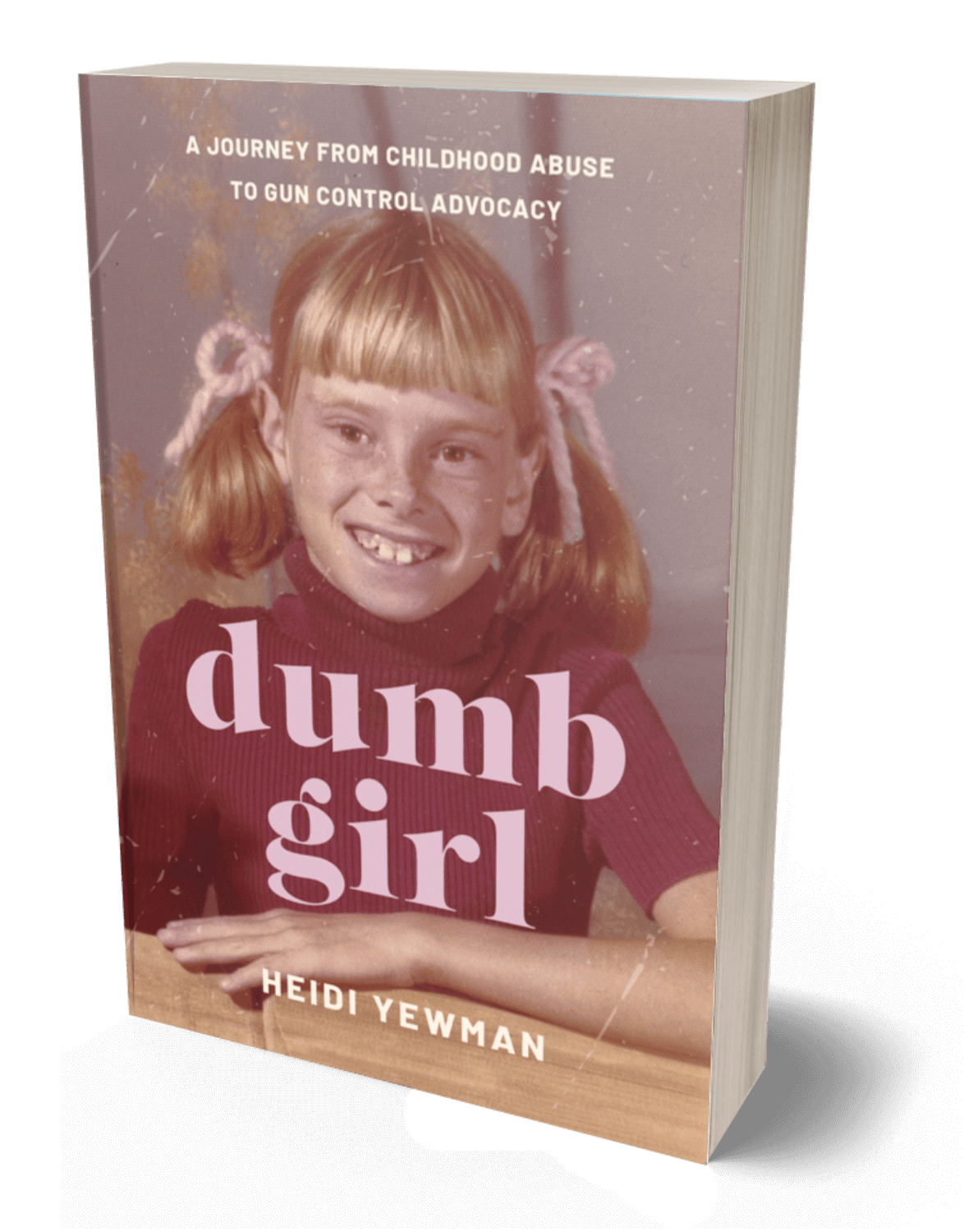
My memoir, Dumb Girl, isn’t just about childhood abuse. It’s about reconstruction.
It’s about the process I’ve gone through to rebuild trust in myself. It’s about learning that my worth was never determined by a wall full of F papers. And it’s about discovering that healing didn’t come from proving my dad was wrong. It came from realizing he had never been right.
I found healing in unexpected places: sitting with Sandie, a mother whose child was shot and killed, listening to her entire story when few others would; standing face-to-face with a gun enthusiast who screamed that I was trying to take his guns away; writing Dumb Girl, which required me to revisit my childhood trauma; and over and over again choosing to move toward pain—my own and other people’s—instead of away from it.
I often think about Christen’s surgeon. He wasn’t trying to erase the path of the bullet. He couldn’t. Instead, surgery after surgery, he carefully reconstructed everything it had damaged.
That’s what healing from childhood abuse has asked of me.
Not to erase the past. Not to prove my dad was wrong. But to reconstruct the parts of myself his words damaged.
That’s how I came to see what had been true all along. I was never the dumb girl.