
In 2018, I was sitting in the second row of a performance of The Vagina Monologues in Santa Monica. At the end of the show, Jane Fonda (yes, the Jane Fonda) invited everyone in the audience who had experienced sexual abuse, rape, harassment, or assault to stand and say, “Me Too.”
I froze.
My husband squeezed my hand. I heard rustling behind me and wanted to look back to make sure I wouldn’t be the only one standing. But I didn’t. The shame I’d carried since childhood flooded my body.
Eventually, I stood.
But not in power.
I stood in reluctance, in embarrassment, and out of obligation. Staying seated would have felt like a lie.
At that point in my life, I had spent more than two decades speaking publicly about trauma and violence—other people’s trauma. I struggled to talk about trauma—the sexual abuse I’d lived through. Shame kept me silent for years, and that silence convinced me I was alone.
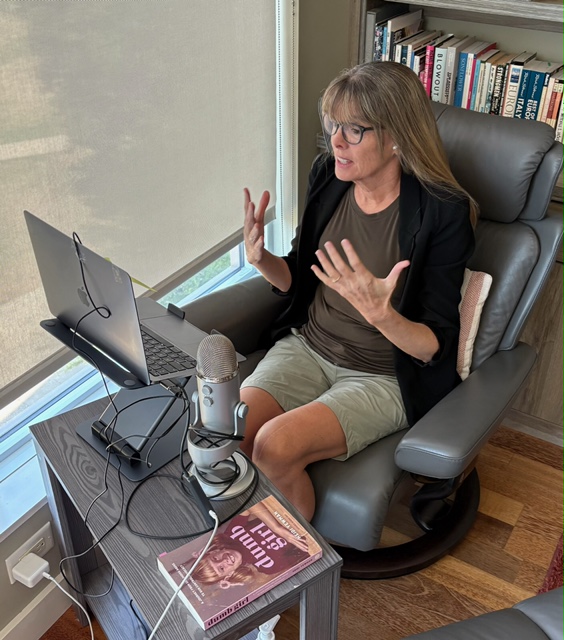
My memoir, Dumb Girl, was born in that moment. The need to rid my body of the shame became all-consuming. Writing the book—and then talking about it publicly—has been one of the most healing things I’ve ever done. Turns out, I am not the only one who survived childhood sexual abuse. In fact, one of the things I’ve learned is that many survivors carry the same belief I did—that they are alone.
It’s a lonely existence.
Next week I’ll be in New York speaking to a room full of survivors, parents, and practitioners about the abuse I’ve endured and how it’s affected my life and my marriage over the past 36 years. The conference, Sibling Sexual Trauma and Abuse: Breaking the Silence, is the first conference in the United States dedicated entirely to sibling sexual trauma and abuse (SSTA). I’m proud to be part of the 5WAVES team organizing this historic gathering.
What I’m most excited about is meeting all the women I’ve spent the past eighteen months working alongside to bring this conference to life.
Being a part of a community of sibling sexual abuse survivors has been transformative. For the first time, I feel deeply understood. I don’t have to explain why certain things affect me the way they do or apologize for the ways trauma has shaped me. Most importantly, I know that everyone involved shares the same goal: creating a space where survivors feel safe, supported, and cared for.
I’ve helped organize many gun violence prevention conferences and summits. This feels different.
The care starts with the organizers themselves. We check in on one another after difficult conversations. We can say, “I’m feeling triggered,” or “this is too much for me right now,” and are met with understanding instead of judgment. That kind of grace is healing.
The focus on lived experience is what makes this conference so important. Survivors will hear stories that reflect their own experiences. Stories about secrecy, shame, silence, and betrayal. Stories about navigating complicated family relationships, carrying the weight of trauma for decades, and struggling to make sense of what happened. Most importantly, they will hear stories of resilience and healing. For many, it may be the first time they realize they are not the only one.
This conference matters because sibling sexual abuse is far more common than most people realize. Some researchers estimate that sibling sexual abuse accounts for the majority of incest cases.
It matters that survivors can come into a space, hear someone else’s story, find commonalities, and leave with tools that might help them heal.
It matters because it’s a hidden epidemic that few people talk about, leaving survivors feeling isolated and burdened by shame.
And it matters because there is finally a space in the United States where survivors can come together to be seen, heard and understood by people who truly get it.
It matters to me because I want other survivors to know what I’ve learned: that healing is possible. A happy, healthy, long-lasting relationship is possible. And moving from surviving to thriving is possible. And sometimes it starts with breaking the silence.
This is a space where I will stand proudly alongside my fellow survivors and say, “Me too.”
Learn more about the SSTA: Breaking the Silence Conference and the work of 5WAVES here: https://www.5waves.org