Our youngest brother had been dragging his feet on the last few assignments he needed to graduate from college and was considering dropping out. He needed a push. My two older brothers and I knew he’d do almost anything not to miss a backpacking trip with his siblings. So we planned one.
“You can come,” we told him, “but only college graduates are allowed.”
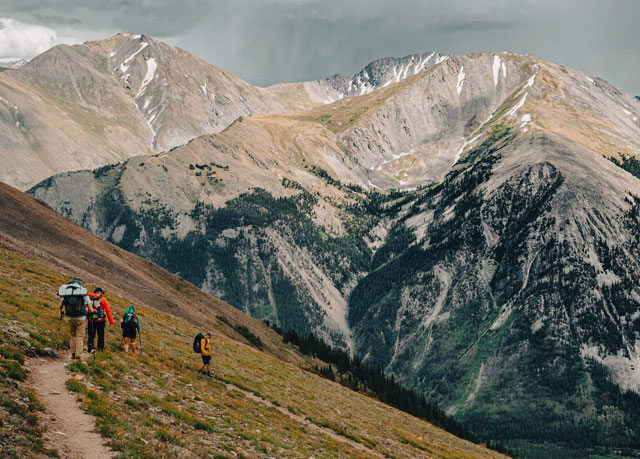
Three weeks later, we met at the trailhead, unsure if he’d actually show up. When he did, he didn’t say a word—just held up a piece of paper from the university saying he’d passed his last class and would graduate in the fall. We whooped and high-fived, laughing longer than normal, then slung on our packs and headed up the trail.
After walking through a grove of aspens and past the tree line, my head began to pound. Water and aspirin didn’t help. I sucked it up and kept going until we found a semi-flat patch that qualified as good enough to camp. Once the tents were up, I reluctantly admitted I had a headache and needed a nap.
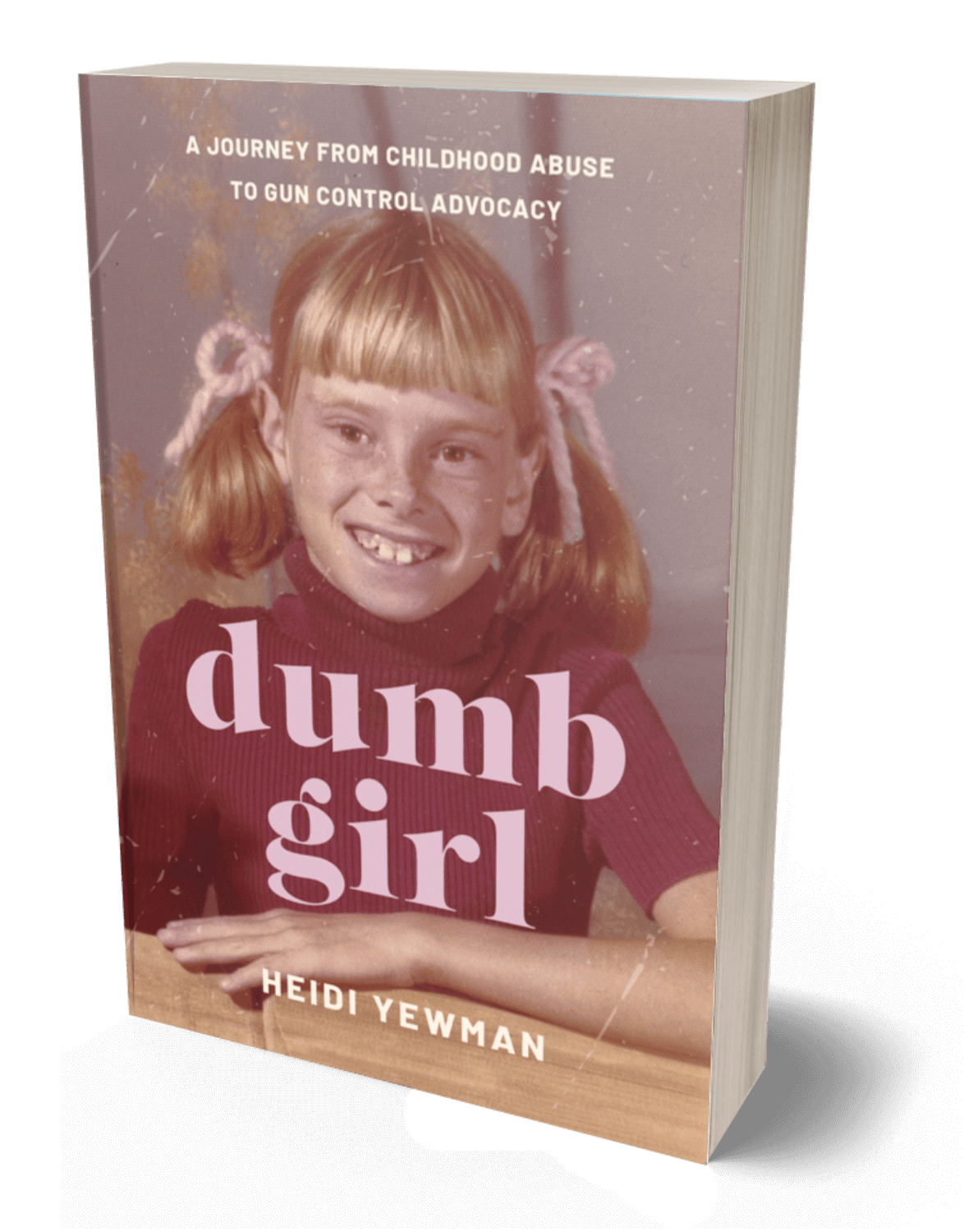
I was relieved they didn’t call me a “dumb girl”—the phrase they’d use whenever I complained or did anything remotely weak or girly. I told myself it was just altitude sickness, something a born-and-raised Colorado girl shouldn’t get. A nap would fix it.
I crawled into my sleeping bag as they headed off to play Frisbee golf, without me.
An hour later, a loud thump hit the side of the tent, followed by deep laughter. I unzipped the flap just as a frisbee flew inches from my face. More laughter.
“What’s so funny?” I asked, rubbing sleep from my eye.
“We decided the last pin was hitting you in the head,” one of them said, still laughing. “If you cried, whoever hit you won.”
Not wanting to be a “dumb girl,” I laughed too.
At least my headache was gone; and they hadn’t actually hit me.
That night, we boiled evaporated noodles with mystery beef and ate quickly as a storm rolled in. The rain washed out our plan to sit by a fire and share childhood stories we’d never talked about.
The next morning, we packed up our soaking-wet tents, ate instant oatmeal, and started down the mountain. When I lifted my backpack, I was surprised by how heavy it felt. I blamed the headache. The poor sleep. The altitude.
At every rest stop, it felt heavier.
I mentioned it once, then again, trying to make sense of it. My brothers had no answers. As we descended, my knees ached and my back burned. I wondered what was wrong with me. Maybe I was out of shape. Maybe I was a wuss. Maybe I really was a dumb girl.
Desperate to keep up with my brothers, I kept going.
At the final stop, I set my pack down and reached inside for a granola bar. That’s when I saw it. A mid-sized rock. Then another. Then another.
Before I could piece it together, all three of them burst into laughter.
“I can’t believe you walked that far with all those rocks in your pack,” my oldest brother said.
I sat there, my pack open in front of me, staring at the rock in my hand.
They doubled over, laughing.
And once again, I laughed with them.
I didn’t think it was funny. I’d spent the entire day assuming something was wrong with me.
But then that was my role in my family. I didn’t complain. I didn’t question. I went along. I took the blame. I stayed quiet.
I stayed quiet when our mom drank past embarrassment.
I stayed quiet when our dad punched me at five.
I stayed quiet about the sexual abuse I endured.
Silence kept the peace. It also taught me to carry what wasn’t mine.
And here I was again, unknowingly carrying rocks while questioning my ability to carry them. What I didn’t realize then is that I’d been living inside a metaphor: a family that prized toughness and denial, where love came with conditions and belonging came with weight.
That moment, the moment I opened my pack and removed what I didn’t need to carry, stayed with me.
Not everything I carry belongs to me.
Now I know to open the pack. To look inside. To name the rocks.
My backpack feels lighter now.